
The AD Workbench seeks to:
- Unlock datasets across ecosystems by breaking down silos and supporting interoperable data sharing.
- Enable federated metadata search from remote partner repositories without duplicating datasets locally.
- Provide seamless user experiences whether through direct downloads, APIs, or managed workflows.
- Ensure governance, consent, and security for all data flows.

Interoperability Approaches
Interoperability describes how two organizations connect their systems so users can sign in, view metadata and request access, and work with data.
Based on each partner’s technical setup, governance, and operational needs, there are different levels of interoperability.
- Complete, two-way interoperability between platforms
- Task-specific, one-way interoperability
Specifically, there are three steps at which partners can make choices to tailor their integration:
- Authentication and access: how users and partner systems sign in and how security is established across organizations
- Catalogue listing: how metadata is presented, refreshed, and shared across organizations so users can submit Data Access Requests (DARs) and how partners review those requests and record decisions
- Data hosting, sharing, and governance: where data resides physically and how researchers access it after their DAR has been approved
Interoperability Approaches and Choices
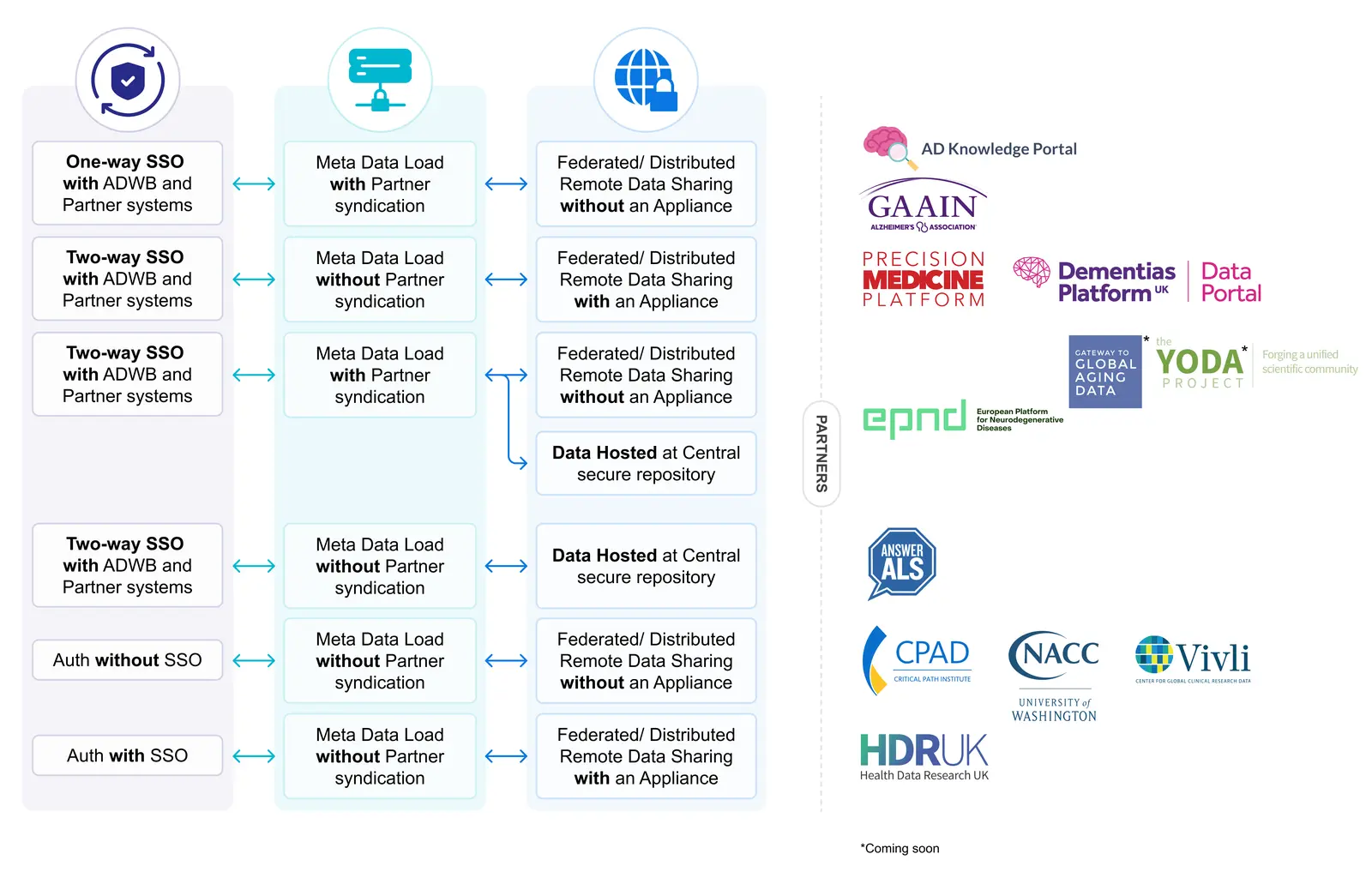
Figure 1 below represents all possible interoperability approaches, and Figure 2 illustrates the choices that have been made by existing partners.
Figure 1: Interoperability Approaches – A Generic View
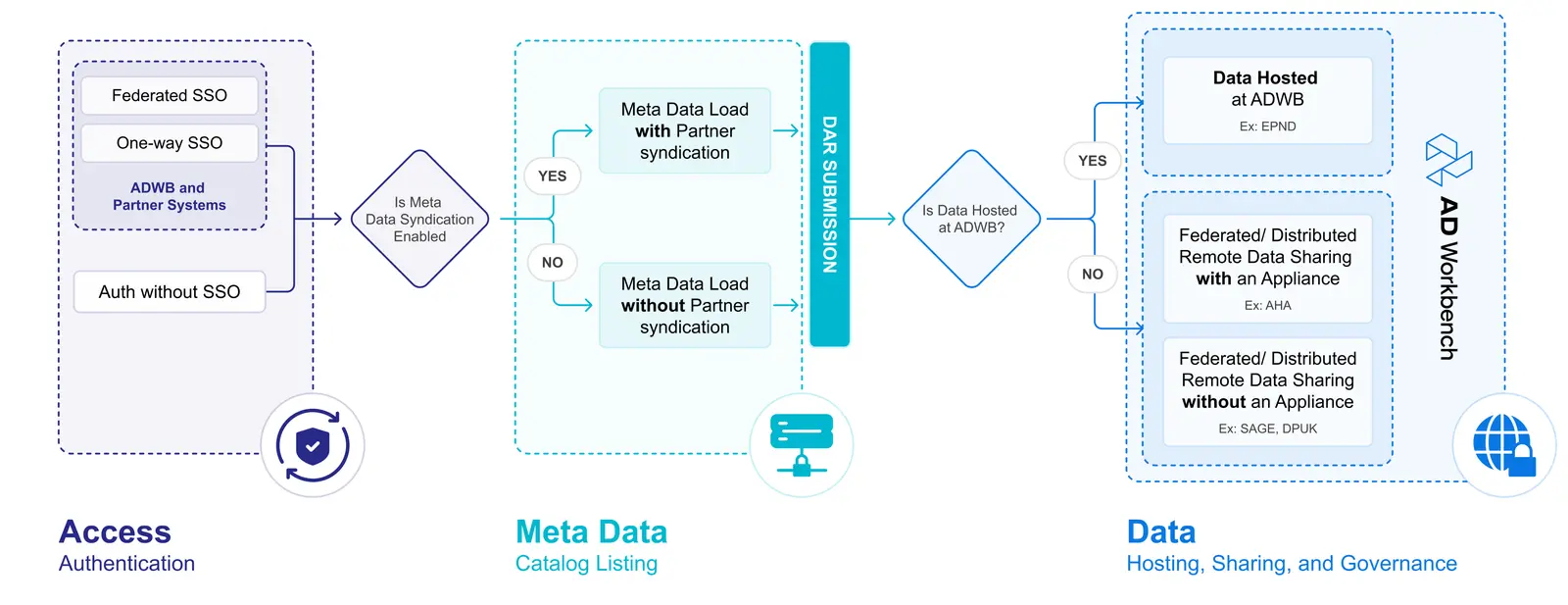
Figure 2: Interoperability Approaches – Partner Configurations
A Growing Interoperability Partner Network
AD Workbench is designed to support the broader ADRD research ecosystem. We collaborate with a growing network of platforms and organizations to help researchers discover, access, and work with data seamlessly across systems.
Our twelve interoperability partners are listed below.